Starting late is not ideal, but panicking wastes even more time.
Your first job is to prioritise.
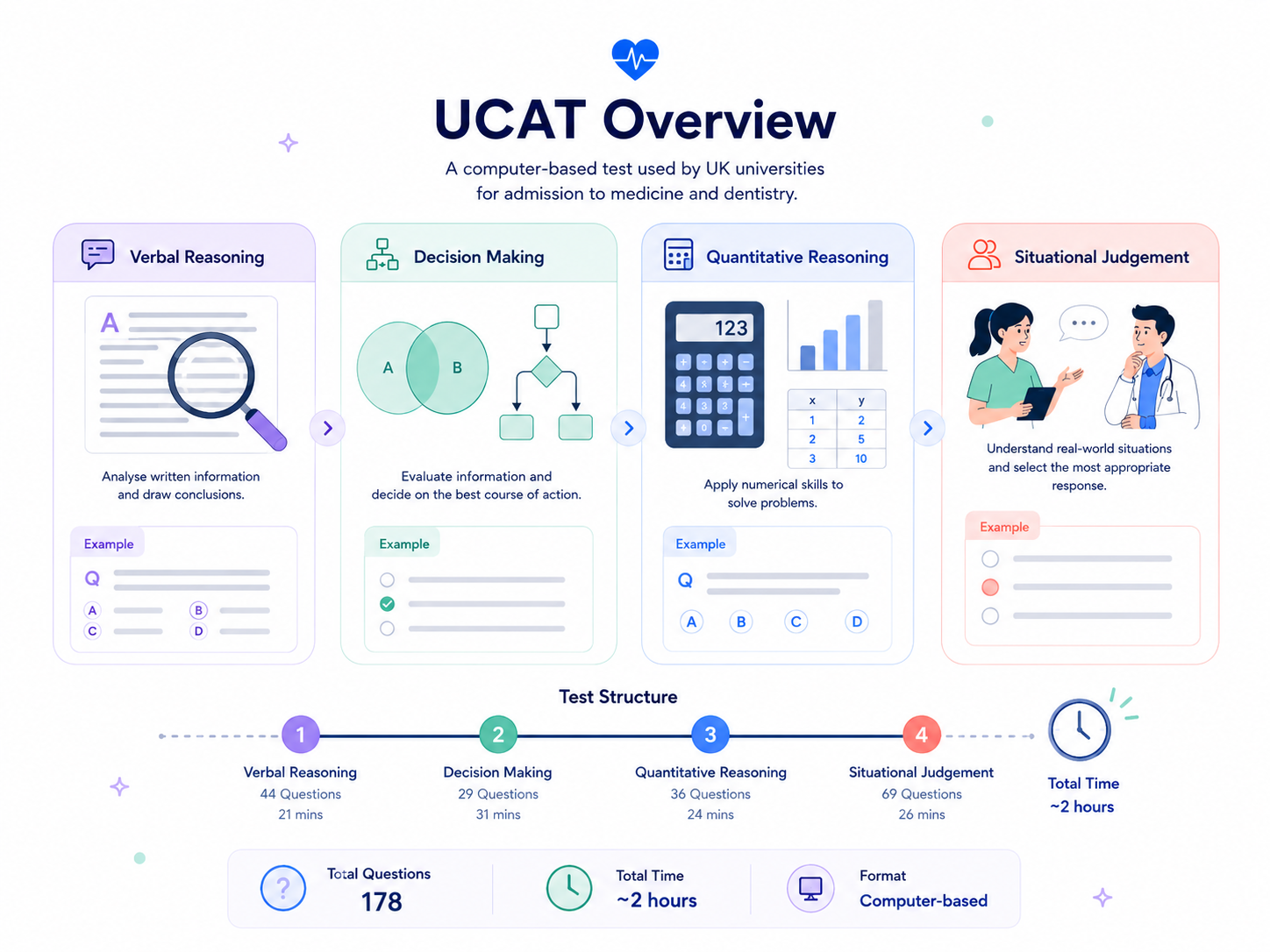
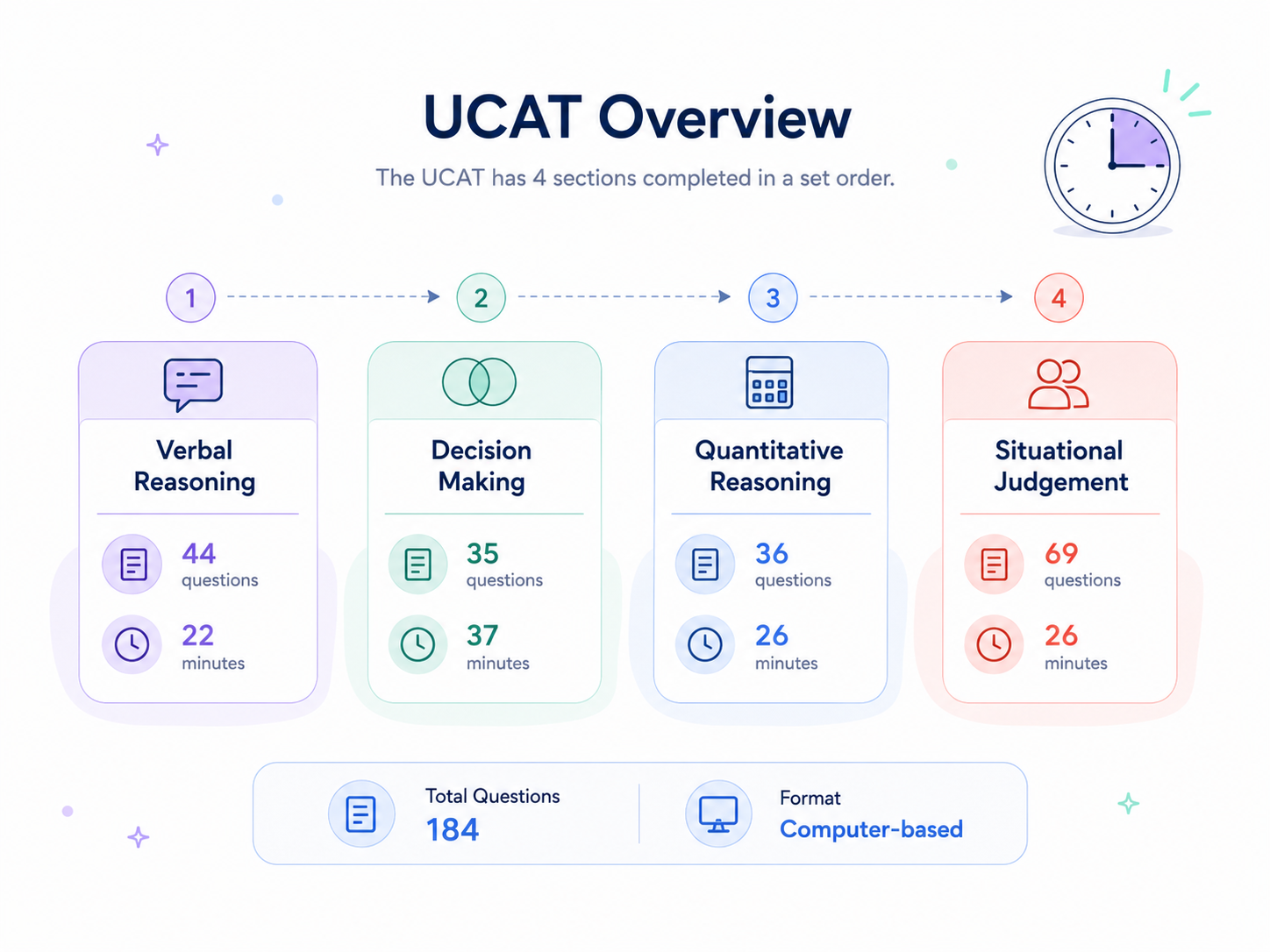
Learn the four sections quickly. Do a short baseline. Identify the weakest areas.
Then focus on high-frequency skills and obvious weaknesses.

Putting It Into Practice
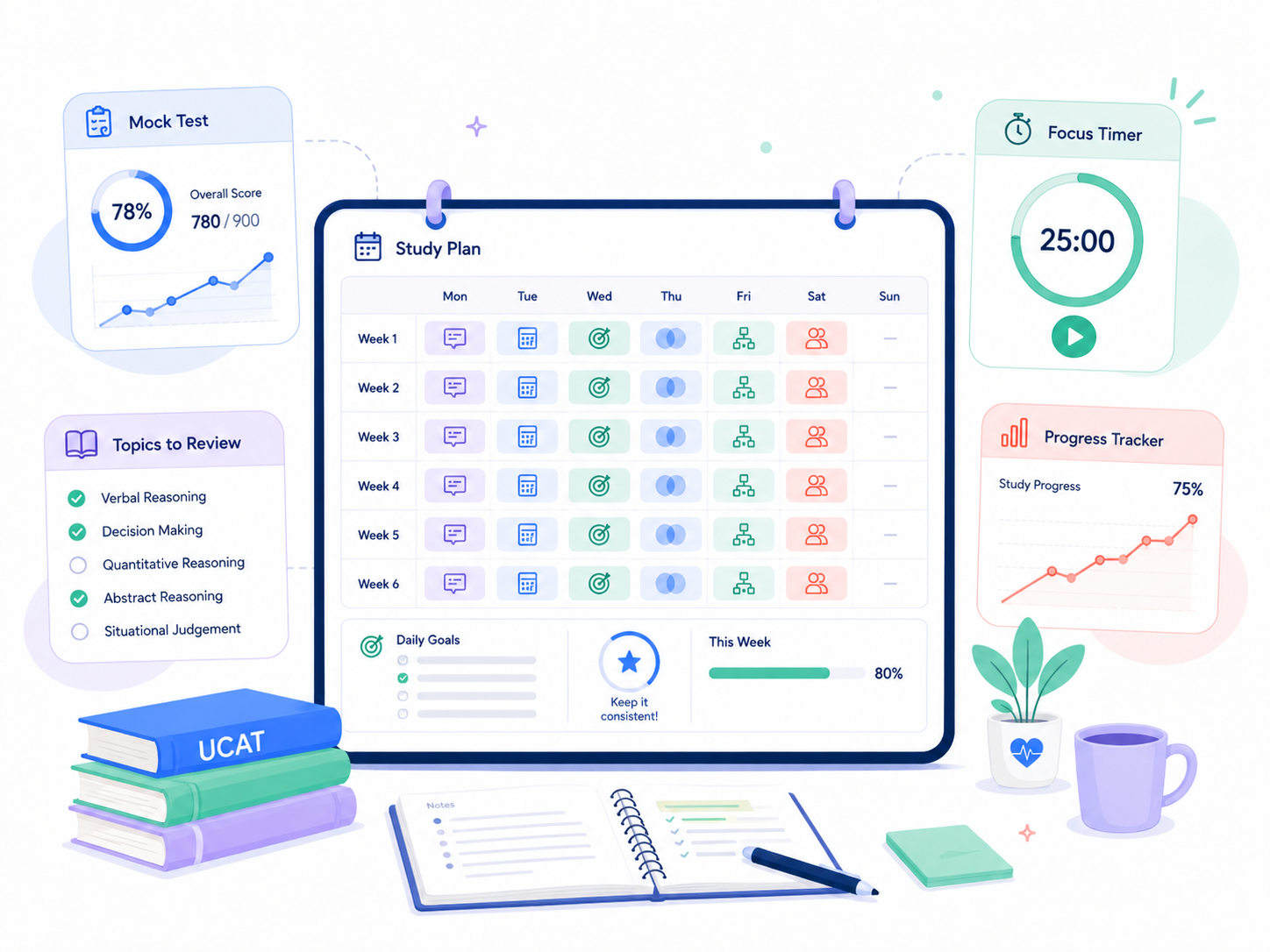
Do not spend hours creating the perfect timetable. Start practising.
Use explanations aggressively. If a method is unclear, learn it and apply it immediately.
Introduce timing sooner than you would in a longer preparation period, but do not skip understanding completely.
Mocks are important, but use them as diagnostics rather than doing one every day.
With limited time, every session should answer a clear question: what am I trying to improve today?
Late preparation can still be productive if it is focused.